
Tag: business

  • Behind the Scenes: How Social Media Drives Fan Engagement in Sports 

    Behind the Scenes: How Social Media Drives Fan Engagement in Sports 

    Social media has transformed the way we engage with entertainment, from blockbuster movies to viral TikTok trends. But one of its most powerful—and often overlooked—impacts is in the world of sports. Teams and athletes are no longer just part of a game; they are online brands with dedicated followings, viral moments, and meme worthy content that fans can’t get enough of. 

    To dive deeper into the role of social media in shaping fan culture, I spoke with Travis Hall, Senior Coordinator of Social Media for the San Francisco Giants. With years of experience managing a major sports franchise’s digital presence, Hall provided valuable insights into the ever evolving relationship between social media, fan engagement, and brand identity.

    Meet Travis Hall

    Travis Hall didn’t always envision a career in social media. In fact, his journey started with aspirations in public relations before an internship introduced him to the digital side of the sports industry. Now, as Senior Coordinator of Social Media for the San Francisco Giants, he oversees everything from game-day content to long-term brand strategy, helping the team stay connected with its fan base both on and off the field.

    With platforms like X (formerly Twitter), TikTok, and Instagram redefining sports marketing, Hall’s role is a perfect example of how social media continues to reshape entertainment.

    The Shift in Fan Engagement

    One of the biggest trends Hall has noticed is the growing connection between fans and individual players, rather than just the team as a whole.

    “In my eyes, one of the most interesting shifts I’ve seen in young sports fans over the last 10 years is that they feel very connected to the players themselves, sometimes more than they feel connected to the team,” Hall explains.

    This is especially true for Gen Z, who have grown up with direct access to athletes through social media. The relationships being built between fans and athletes online allows for an even stronger fan presence for sport teams around the country. A kid in Oregon could be obsessed with the Philadelphia Eagles because of the online presence of Quarterback Jalen Hurts (fun fact: did you know Hurts’ management team is all women?). 

    When Social Media Shapes the Narrative

    In entertainment, social media plays a massive role in public perception—and the same goes for sports. Hall points out how even a struggling team can maintain strong digital engagement if they use humor and self-awareness.

    “An example that springs to mind comes from our friends doing social media for the White Sox. They endured one of the worst seasons in MLB history last year, but they leaned into it and poked a lot of fun at themselves. As a result, their engagements were good and lots of fans praised them for being a fun team to follow,” says Hall.

    This highlights a key lesson in social media marketing: a strong digital voice can shape how fans view a brand, even during tough times.

    The Future of Fan Engagement

    As Gen Z becomes the dominant audience online, social media strategies will continue evolving. The challenge will be maintaining authenticity while keeping up with quick trends.

    For students hoping to break into social media marketing in sports, entertainment, or any industry, Hall offers this advice:

    “If you want to manage social media, writing is by far the most important skill you can have.”

    He also stresses the importance of studying digital trends, recommending that aspiring professionals actively analyze what brands are doing well on social media.

    Whether in sports, film, or music, one thing is clear: social media is now the ultimate game-changer in entertainment.

    For those looking to break into this field, Hall’s insights reinforce an essential truth—understanding audience behavior, storytelling, and digital trends is key to success.
  • Gen Z: The Secret Weapon to Entertainment’s Digital Success 

    Gen Z: The Secret Weapon to Entertainment’s Digital Success 

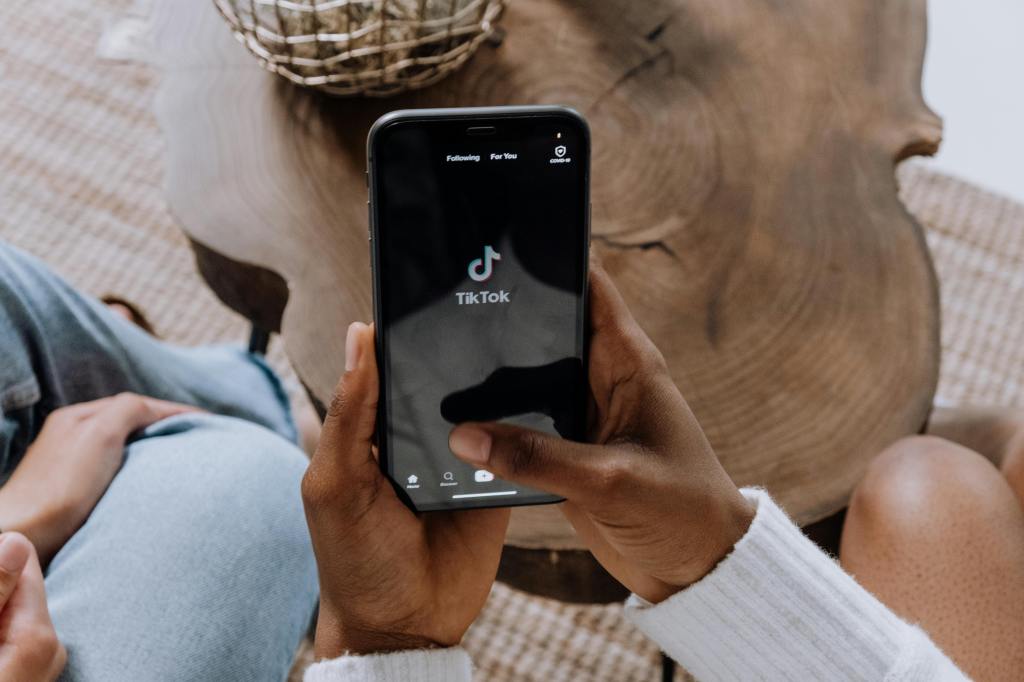
    In today’s entertainment industry, social media has become more than just a promotional tool– it is the frontline of audience engagement and brand identity. Behind many viral brand moments on platforms like TikTok, Instagram, and X (formally Twitter), there is usually a Gen Z social media intern crafting the genius content, responding to fans, and shaping the online brand of major entertainment companies. But why are Gen Z interns so effective in this role? And how are they transforming digital marketing in entertainment? 

    How Gen Z Interns Are Shaping Social Media Success

    Gen Z, born between 1997 and 2012, have grown up in a fully digital world. As a Gen Z member myself, I witnessed the creation of smartphones and social media platforms at the same time I was learning how to do fractions. Because of how integrated technology is in our society, Gen Z became fully native to the language, trends, and behaviors of social media platforms. Unlike previous generations who had to adapt to the emerging digital world, Gen Z inherently understands how to capture an audience’s attention by creating engaging content and navigating online culture in a way that resonates authentically. 

    One of my favorite examples of this is the Barbie movie’s marketing campaign. Barbie (2023) dominated social media and became the marketing campaign of the year. The promotion surrounding this film was huge, Warner Bros. collaborated with several different brands and companies, even as far as having a real life Barbie Dreamhouse available to book on Airbnb in Malibu. Warner Bros. tapped into Gen Z creatives to develop highly engaging content throughout different platforms that made Barbie into the inescapable global phenomenon that it was. Social media interns jumped on the viral “Barbenheimer” meme and the AI- generated Barbie selfie, all of which played a key role in turning the film into one of the biggest box office successes of the year.

    Similar strategies are still being seen in the entertainment industry. Whether it’s movie studios promoting upcoming releases, streaming platforms hyping up a new series, or fans creating their own campaign, Gen Z interns often play a huge role in shaping these digital campaigns 

    Authenticity Over Corporate Tone

    One of the biggest strengths of Gen Z social media interns is their ability to bring authenticity to brand messaging. Today’s audiences, especially younger consumers, are able to easily detect corporate-sounding content, which can be boring. Gen Z marketers bring a casual, relatable, and sometimes chaotic energy to brand accounts—making them feel more like a friend than a company wanting your money. 

    A great example is Netflix’s presence on apps like X, TikTok, and Instagram. Its accounts thrive on humor, pop culture references, and direct fan engagement. Their posts often feel like they’re coming from a real person rather than a marketing team, which helps deepen connections with audiences. 

    The Future of Social Media in Entertainment

    As social media continues to grow, brands and companies will continue to rely on Gen Z voices to stay relevant. This generation’s deep understanding of pop culture combined with their creativity and adaptability, makes them valuable assets in the industry. 

    For aspiring PR professionals and social media strategists like myself, this shift provides exciting opportunities. Companies are actively seeking fresh, tech-savvy voices to shape their online presence—and Gen Z is proving they are up for the challenge.