This blog would not be authentic if I were to be praising social media every week. As much as I love social media and the phenomenal ways it can influence the entertainment industry, the internet can be a scary place.
As we’ve discussed, social media has transformed how fans engage with entertainment. Platforms like X (formerly Twitter), TikTok, and Reddit have given rise to passionate fandoms that shape pop culture in unexpected ways. Whether it’s Swifties mobilizing to support Taylor Swift, Marvel fans dissecting every post-credit scene, or K-pop stans streaming songs to break records, fandoms have immense power. But with that power comes a darker side—toxic discourse, cancel culture, and online harassment.
Fandoms are no longer just groups of dedicated fans—they are organized digital communities that can influence everything from box office numbers to an artist’s career. However, this intense devotion can lead to toxic environments where differing opinions aren’t tolerated. Fans who criticize their favorite artist or franchise risk being doxxed, harassed, or bullied from online spaces.
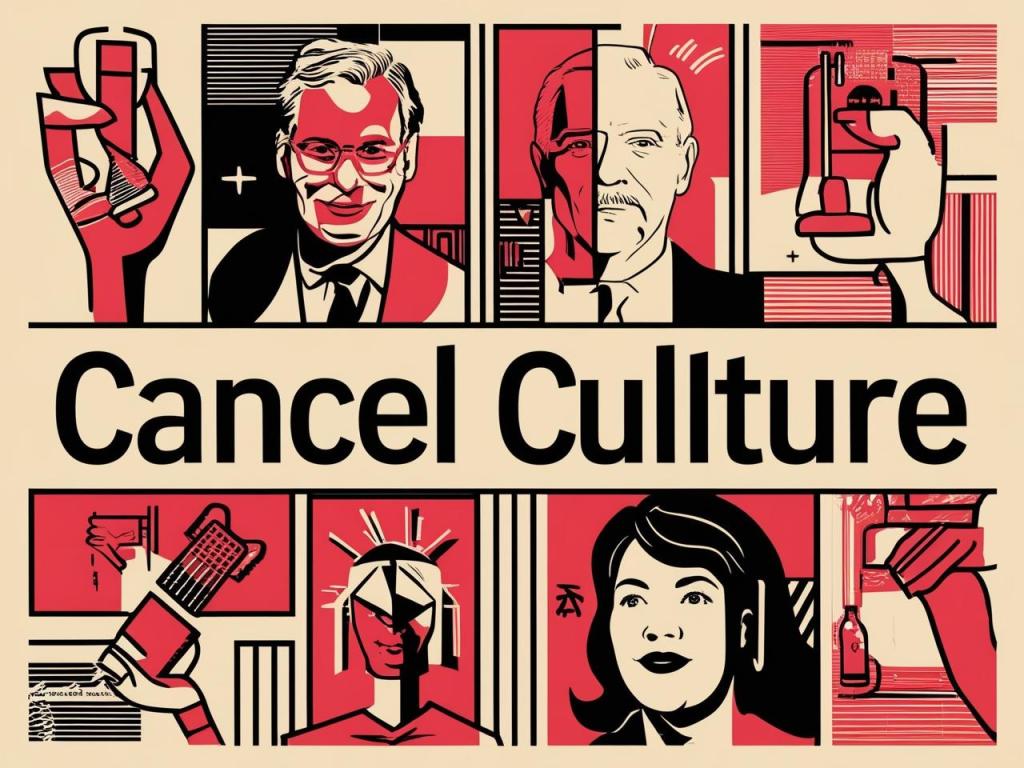
Twitter Wars and the Rise of Cancel Culture
Social media thrives on outrage and rapid information sharing, making it a comfy home for cancel culture. While accountability is important, the line between justified criticism and mob mentality has blurred. Celebrities, influencers, and even everyday users can find themselves “canceled” overnight due to resurfaced tweets, controversial opinions, or even just simple misunderstandings.
Some examples of this:
- Sydney Sweeney’s Family Controversy – The Euphoria actress came under fire when fans noticed her family members wearing clothing associated with right-wing politics at a birthday party. Despite Sweeney claiming she doesn’t share those beliefs, social media erupted with calls for her cancellation.
- Marvel Cast Backlash – Over the years, several Marvel Cinematic Universe (MCU) actors have faced social media scrutiny:
- Chris Pratt has been repeatedly “canceled” due to his alleged ties to a controversial church, despite no confirmed affiliation, and racist allegations.
- Brie Larson (Captain Marvel) was criticized for advocating for more diversity in film criticism, which led to online harassment.
- Jonathan Majors faced industry-wide fallout after assault allegations, sparking discourse on whether Disney should recast him.
Can Social Media Find a Balance?
Social media has given fandoms a voice like never before, making entertainment more interactive and fan-driven. However, the constant cycle of outrage, cancel culture, and online wars raises concerns about mental health, misinformation, and parasocial relationships.
As Gen Z continues to dominate the internet, there’s a growing discussion about whether social media platforms should implement better content moderation or whether fandoms themselves need to establish healthier ways of engaging with entertainment.
For now, one thing is clear: social media’s impact on the entertainment industry is undeniable—for better or worse.