Tag: Gen Z

  • How Social Media Shapes Entertainment: An Analysis of Two Impactful Infographics 

    How Social Media Shapes Entertainment: An Analysis of Two Impactful Infographics 

    Social media’s influence on the entertainment industry is undeniable. It shapes how content is consumed, marketed, and engaged with, especially among Gen Z. To explore this dynamic, I analyzed two infographics that effectively illustrate key trends in social media’s role in marketing.
    Infographic 1: Social Media Marketing for Small Businesses

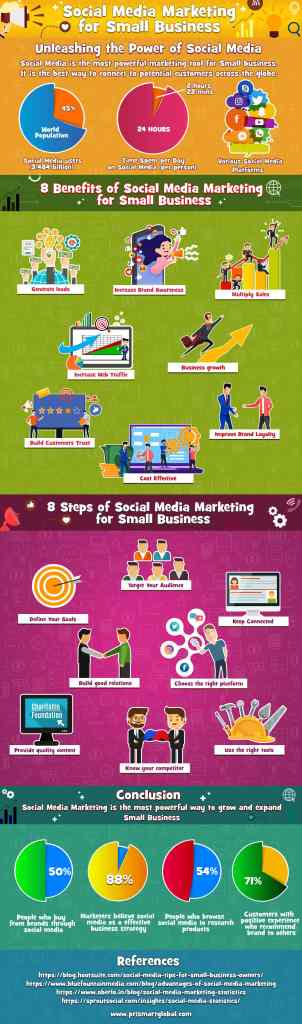
    While not directly about entertainment, this infographic highlights the power of social media marketing. Demonstrating how businesses leverage platforms to connect with audiences, it provides valuable insights into how social media drives brand awareness and audience engagement—two critical factors in entertainment marketing.
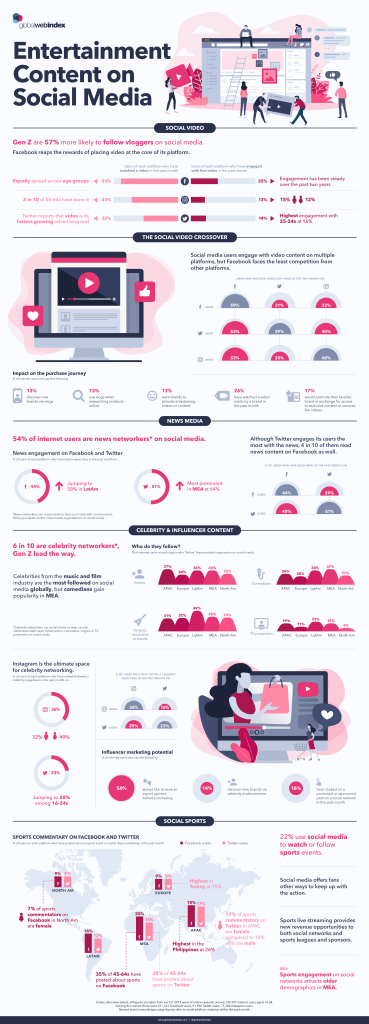
    Infographic 2: Entertainment Content on Social Media 

    This infographic focuses specifically on how social media fuels entertainment consumption. It breaks down the impact of video, news media engagement, influencer culture, and sports commentary, providing a comprehensive look at how users—particularly Gen Z—interact with entertainment content online. 

    Why These Infographics Are Effective

    Visual Element

    • Both infographics use clear section headers to guide the viewer’s eye. “The Entertainment Content on Social Media” infographic does this exceptionally well by breaking content into thematic sections—video, influencer content, and sports—allowing for quick comprehension. Meanwhile, the “Social Media Marketing for Small Businesses” infographic presents step-by-step benefits and strategies, making it easy to follow. 

    All things Colors

    • The small business marketing infographic uses bright colors like green, red, and orange to convey excitement and engagement, aligning with the lively nature of social media. The Entertainment Content infographic, on the other hand, opts for pink, navy, and white palette, creating a modern feel that appeals to Gen Z’s aesthetic preferences.

    How Well They Tell a Story with Data

    • Infographics are only effective if they communicate data visually rather than overwhelming with text. The small business social media marketing infographic does a really good job at this. The fun, colorful way it incorporates charts, icons, and data visualizations to present statistics in a more fun way. The Entertainment Content infographic also utilizes engaging graphics, though it leans slightly more on text. 
    • The Entertainment Content infographic tells a compelling story about how different entertainment sections like vlogging, influencer culture, news, and sports, all thrive on social media. It presents key statistics and trends in a way that builds a clear narrative of social media’s growing influence. The Social Media Marketing infographic, while more catered to small businesses, still effectively conveys how companies (including those in entertainment) should use social media to drive engagement and sales.
  • How Netflix is Empowering the Next Generation of Storytellers

    How Netflix is Empowering the Next Generation of Storytellers

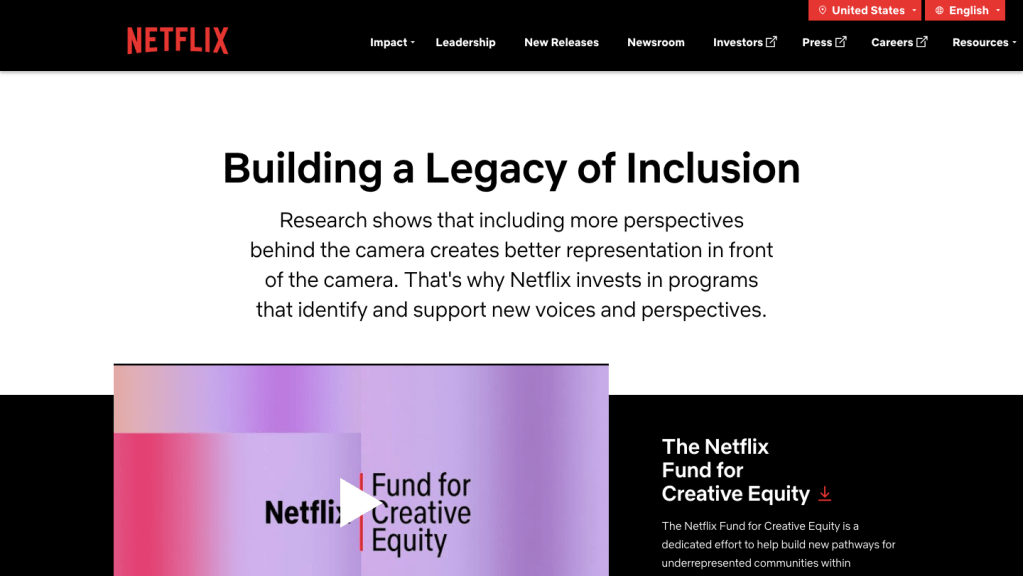
    Netflix has been a pioneer in the entertainment industry since 1997. What started off as a mail-in rental service for DVDs is now one of the largest streaming platforms in the world. But Netflix isn’t just about binge-worthy content—it’s also about making real change in Hollywood. Through the Netflix Fund for Creative Equity, the company is proving that storytelling should be just as diverse as the audiences watching.

    Fund for Creative Equity

    Launched in 2021, the Fund for Creative Equity is Netflix’s $100 million commitment to furthering diversity and inclusion in the entertainment industry. This initiative goes beyond just hiring diverse talent—it actively invests in mentorship, training, and career-building opportunities for underrepresented creatives, both in front of and behind the camera. By teaming up with organizations like the New York Film Academy, Sundance Institute, and the Academy, Netflix is creating real pathways for emerging filmmakers, writers, and industry professionals. The goal? To make Hollywood more inclusive and ensure authentic stories are being told by the people who have lived them. 

    Communication Strategies

    The Fund for Creative Equity isn’t just a behind-the-scenes initiative; Netflix is using every tool in its digital playbook to keep the conversation going and make an impact. Press releases and official announcements play a key role in spreading awareness. Netflix regularly drops updates about the fund on its corporate blog, About Netflix, giving a deep dive into its mission, the programs it’s backing, and the creatives it’s uplifting. These official statements establish transparency and reinforce Netflix’s commitment to supporting underrepresented voices in entertainment.

    Beyond its own platforms, Netflix partners with media outlets to amplify the fund’s impact. By collaborating with well-established organizations such as Philanthropy News Digest, Netflix ensures its initiative gets the credibility and visibility it deserves.

    And, of course, there’s social media—where Gen Z thrives. Netflix is no stranger to viral marketing, and it’s using Twitter, Instagram, LinkedIn, and YouTube to highlight the fund’s impact. Whether it’s sharing testimonials from up-and-coming filmmakers, showcasing new projects from diverse creators, or dropping quick vertical videos explaining why representation matters, Netflix keeps the content engaging and easy to digest. This strategy doesn’t just inform—it builds a community around the initiative, sparking conversations and keeping the support alive.

    How Does This Reach Us?

    Netflix’s messaging around the Fund for Creative Equity is clear and consistent, emphasizing its dedicated effort to help build new paths for those underrepresented in the entertainment industry. The use of multiple communication channels ensures that the message reaches diverse audiences, from industry professionals to the general public. 

    Brand Values

    The Fund for Creative Equity aligns seamlessly with Netflix’s brand identity as an innovator and leader in entertainment. By investing in underrepresented talent, Netflix not only highlights its content diversity but also reinforces its values of inclusivity and social responsibility. This initiative reflects Netflix’s understanding that diverse perspectives help storytelling and resonate with a global audience.

  • Gen Z: The Secret Weapon to Entertainment’s Digital Success 

    Gen Z: The Secret Weapon to Entertainment’s Digital Success 

    In today’s entertainment industry, social media has become more than just a promotional tool– it is the frontline of audience engagement and brand identity. Behind many viral brand moments on platforms like TikTok, Instagram, and X (formally Twitter), there is usually a Gen Z social media intern crafting the genius content, responding to fans, and shaping the online brand of major entertainment companies. But why are Gen Z interns so effective in this role? And how are they transforming digital marketing in entertainment? 

    How Gen Z Interns Are Shaping Social Media Success

    Gen Z, born between 1997 and 2012, have grown up in a fully digital world. As a Gen Z member myself, I witnessed the creation of smartphones and social media platforms at the same time I was learning how to do fractions. Because of how integrated technology is in our society, Gen Z became fully native to the language, trends, and behaviors of social media platforms. Unlike previous generations who had to adapt to the emerging digital world, Gen Z inherently understands how to capture an audience’s attention by creating engaging content and navigating online culture in a way that resonates authentically. 

    One of my favorite examples of this is the Barbie movie’s marketing campaign. Barbie (2023) dominated social media and became the marketing campaign of the year. The promotion surrounding this film was huge, Warner Bros. collaborated with several different brands and companies, even as far as having a real life Barbie Dreamhouse available to book on Airbnb in Malibu. Warner Bros. tapped into Gen Z creatives to develop highly engaging content throughout different platforms that made Barbie into the inescapable global phenomenon that it was. Social media interns jumped on the viral “Barbenheimer” meme and the AI- generated Barbie selfie, all of which played a key role in turning the film into one of the biggest box office successes of the year.

    Similar strategies are still being seen in the entertainment industry. Whether it’s movie studios promoting upcoming releases, streaming platforms hyping up a new series, or fans creating their own campaign, Gen Z interns often play a huge role in shaping these digital campaigns 

    Authenticity Over Corporate Tone

    One of the biggest strengths of Gen Z social media interns is their ability to bring authenticity to brand messaging. Today’s audiences, especially younger consumers, are able to easily detect corporate-sounding content, which can be boring. Gen Z marketers bring a casual, relatable, and sometimes chaotic energy to brand accounts—making them feel more like a friend than a company wanting your money. 

    A great example is Netflix’s presence on apps like X, TikTok, and Instagram. Its accounts thrive on humor, pop culture references, and direct fan engagement. Their posts often feel like they’re coming from a real person rather than a marketing team, which helps deepen connections with audiences. 

    The Future of Social Media in Entertainment

    As social media continues to grow, brands and companies will continue to rely on Gen Z voices to stay relevant. This generation’s deep understanding of pop culture combined with their creativity and adaptability, makes them valuable assets in the industry. 

    For aspiring PR professionals and social media strategists like myself, this shift provides exciting opportunities. Companies are actively seeking fresh, tech-savvy voices to shape their online presence—and Gen Z is proving they are up for the challenge.